Your skin gradually produces less collagen
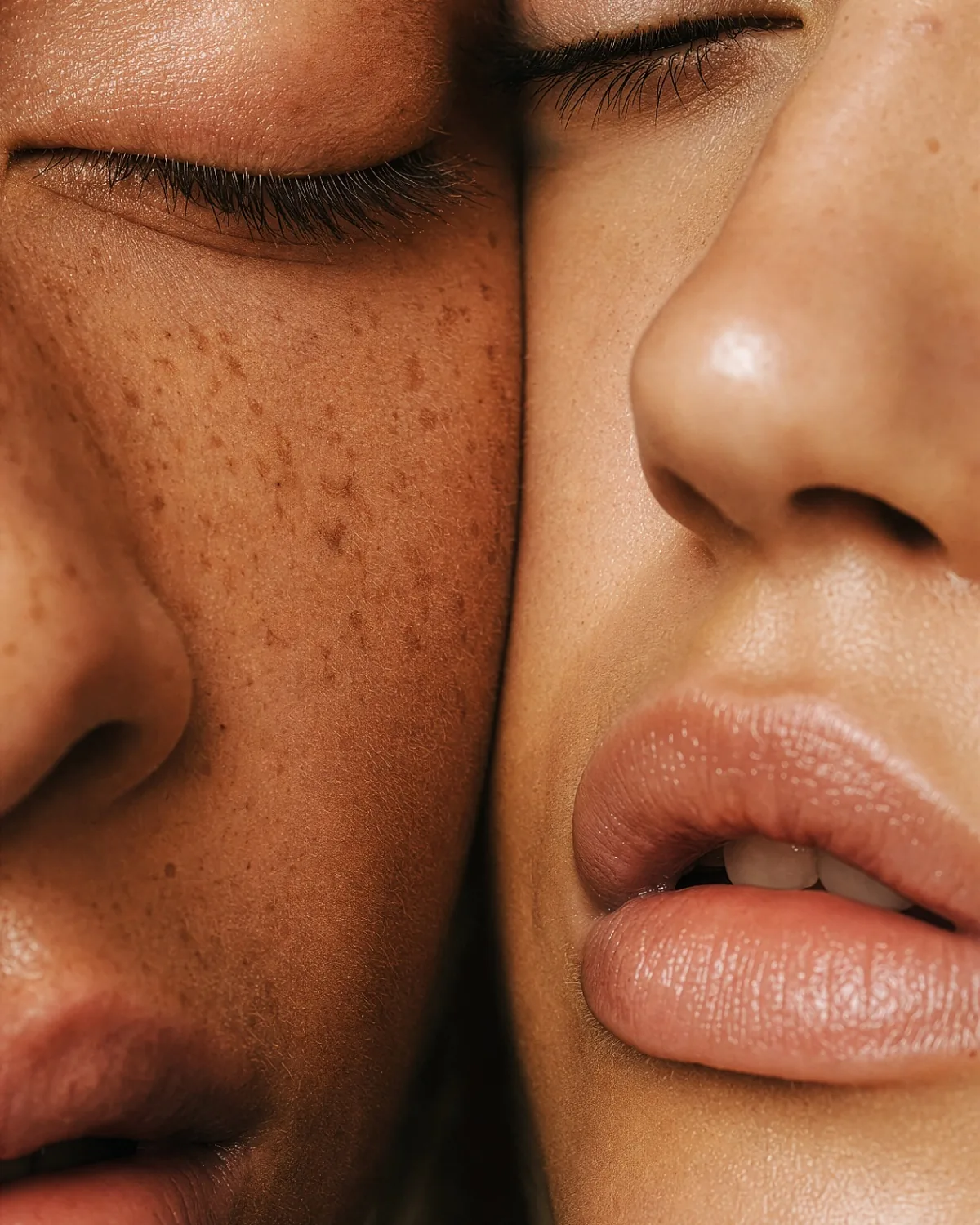
From around your mid-twenties, collagen production slowly decreases. This happens to everyone and does not mean anything is wrong with your skin.
Your skin does not suddenly become older on your twenty-fifth birthday. It is a gradual process. How quickly your skin changes depends mainly on its natural ageing processes, your genetics and your lifetime exposure to the sun.
From around your mid-twenties, collagen production slowly decreases. This happens to everyone and does not mean anything is wrong with your skin.
The skin renews itself more slowly and holds moisture less well. Lines that used to fade on their own therefore stay visible a little longer.
UV radiation accelerates visible skin ageing. A large part of the fine lines and pigment spots on the face comes from sunlight that builds up year after year.
Read more: Anti-ageing Guide, chapter 5
The shelf of anti-ageing products is long. The list of ingredients whose effect has actually been well researched is a good deal shorter.
Retinoids stimulate cell renewal and collagen production. Of all substances against visible skin ageing, they are the longest and best researched.
Sun protection may sound less exciting than a new serum, but it is the best way to prevent extra skin ageing. Also on cloudy days and when you sit near a window a lot.
Vitamin C, niacinamide and a good moisturiser can support the skin and make it look smoother. But no cream turns back the clock. A jar can promise a great deal. Fortunately your skin stays a lot more honest.
Read more: Anti-ageing Guide, chapter 1
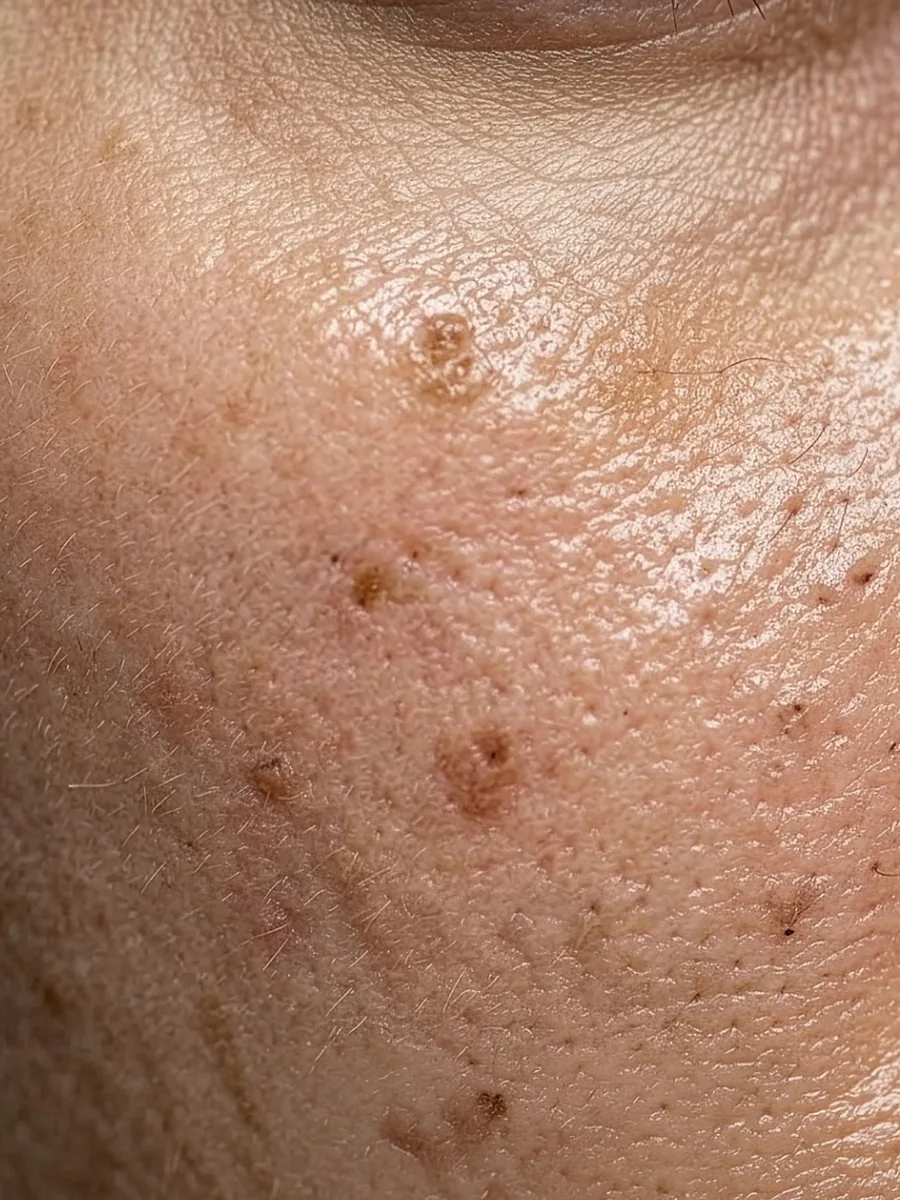
Retinoids are derived from vitamin A. They belong to the same family, but differ considerably in strength, effect and tolerability. What works well for one person may be too strong or too mild for another.
The mildest form and freely available in cosmetics. A logical first step if you want to start cautiously. The effect is usually also more modest.
The mildest form, freely available in cosmetics. A logical first step if you want to start cautiously.
Best known from acne treatment. It works more selectively and is generally better tolerated than the classic retinoids.
Known from acne treatment. More selective and generally better tolerated.
The most researched substance against fine lines and visible skin ageing. Used for decades and still the gold standard.
The most researched substance against fine lines. Still the gold standard.
The first fourth-generation retinoid: the same proven effectiveness, with considerably less irritation.
Fourth generation: the same proven effectiveness with considerably less irritation.
The strongest forms that demonstrably reduce fine lines and wrinkles are only available on prescription. A dermatologist assesses which retinoid is suitable for your skin and issues a prescription if appropriate.
start a consultationRetinoids exist in several generations. Each new generation works more precisely, with the same goal: visible results with as little irritation as possible.
FIRST GENERATION
In use since 1971 and extensively researched. Tretinoin acts on multiple receptors, which is why the skin can react quite strongly in the first weeks.
SECOND GENERATION
These molecules were made chemically more stable, so they break down less quickly under the influence of light and air. They were mainly used for other skin conditions, such as psoriasis.
THIRD GENERATION
Works more selectively on receptors in the skin and is therefore better tolerated by many people.
FOURTH GENERATION
The newest generation of retinoid. Selectively active and often less irritating in practice. The first visible results are usually seen after four to six weeks.
Read more: Anti-ageing Guide, chapter 2
A retinoid is not a quick fix. Your skin needs time to adjust and change. This is roughly what you can expect.
With the newest generation, the first improvements can become visible. At the same time your skin may still be dry, red or sensitive in this phase.
The skin can become smoother and more even. Fine lines, skin texture and pigment can visibly improve.
Consistency largely determines the result. If you stop or use the product irregularly, the benefits gradually fade.
Realistic expectations are part of a good treatment. A dermatologist tells you in advance what is achievable for your skin.
start a consultationUse a thin layer on clean, dry skin. More product does not give a faster result, but often does give more irritation.
Start with, for example, two evenings a week and expand slowly. This gives your skin time to get used to it.
Use broad-spectrum sun protection with SPF 30 or higher every day.
Do not use retinoids during pregnancy or when you want to become pregnant. Breastfeeding? Discuss use with your doctor first.
Read more: Anti-ageing Guide, chapter 3
No. Fine lines can become softer and your skin can look smoother, firmer and more even. Deep wrinkles do not disappear from a cream. Skin ageing is ultimately just part of life.
Good sun protection is sensible at any age. There is no fixed starting age for a retinoid. It is mainly about your skin, your wishes and whether a treatment really adds something.
That varies per retinoid and per skin. With the newest generation, the first changes can be visible after four to six weeks. Clearer results usually require twelve to sixteen weeks and consistent use.
Yes. Especially at the start you can experience redness, dryness, flakes or a burning sensation. Building up calmly and using a simple moisturiser often helps. If the irritation becomes severe, contact your doctor.
If you are considering a prescription-only retinoid, have sensitive skin or do not know which treatment suits you. A dermatologist looks not only at what is possible, but also tells you honestly what is unlikely to add much.
Read more: Anti-ageing Guide, chapter 4
Sign up for our newsletter.