Medically reviewed by Dr. A.M. van Coevorden, dermatologist, on
Eczemaan umbrella term for itchy, inflamed skin
Eczema is an umbrella term for skin conditions in which the skin becomes inflamed, with itching, redness and flaking. It is not a single disease: several forms exist, each with its own cause and approach. This page helps you recognise the forms and find the full page for each.
Reply within 12 to 48 hours · no referral needed · from € 39
- What is eczema?
- Which forms of eczema exist?
- How do you recognise eczema?
- How is eczema treated?
- What can you do yourself?
- Eczema and diet: does a special diet help?
- Do vitamin D, fish oil or probiotics help?
- Stress, exercise, smoking and alcohol
- When should you have your eczema assessed by a dermatologist?
- Frequently asked questions about eczema
What is eczema?
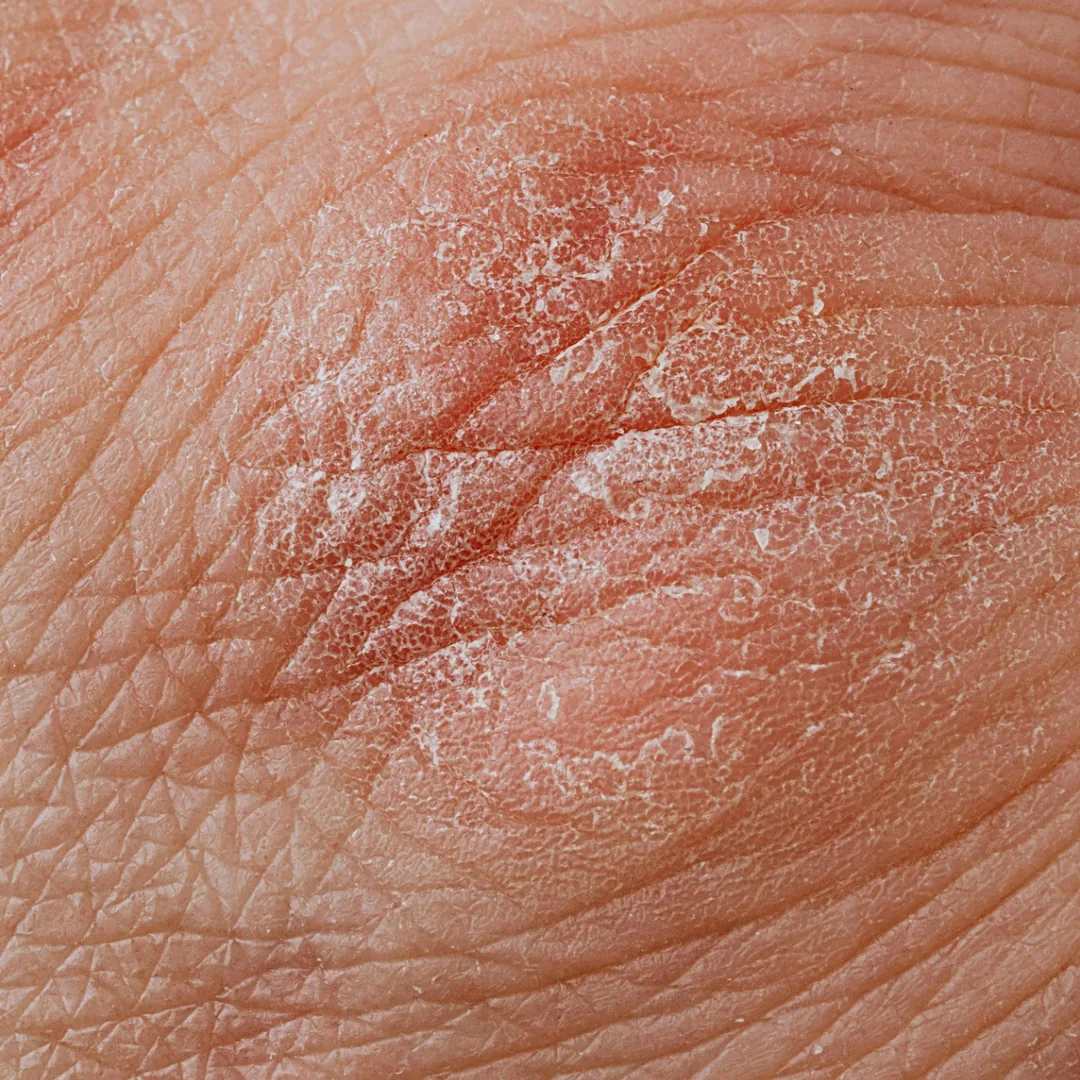
Eczema is the overarching name for a group of skin conditions with inflamed skin. All forms share the same features: itching, redness, dry or flaking skin and sometimes small blisters or cracks. Doctors also use the word dermatitis, which means the same thing. No form of eczema is contagious.
Which forms of eczema exist?
The form determines the cause and the treatment. The most common forms: atopic eczema, caused by an inherited predisposition and often starting in childhood; contact eczema, caused by contact with an irritating or allergy-triggering substance such as nickel, fragrance or cleaning products; hand eczema, often a combination of predisposition and strain from work or wet work; and seborrhoeic eczema, with flaky, greasy patches on the scalp and face. At the bottom of this page you will find the full page for each form.
How do you recognise eczema?
Eczema almost always itches. The skin is red, dry and flaky, sometimes with bumps, blisters or cracks. The location often points to the form: elbow and knee folds suggest atopic eczema, symptoms after contact with a product suggest contact eczema, and greasy flaking on the scalp or face suggests seborrhoeic eczema. A dermatologist usually recognises the form from the appearance of your skin and the symptoms you describe.
How is eczema treated?
Treatment differs per form, but the basis is the same for almost every form: moisturise the skin daily with a neutral, greasy cream or ointment, even when the eczema is calm. For the eczema patches themselves the doctor usually prescribes an anti-inflammatory cream, such as a corticosteroid cream. In contact eczema the most important step is avoiding the substance that causes it. The page for each form covers the full treatment.
What can you do yourself?
Keep the skin moisturised, also outside the patches. Keep showers short and use lukewarm water, and use little or no soap. Scratch as little as possible: scratching damages the skin and keeps the itch going. If you are unsure which form you have or the eczema does not settle, ask a dermatologist for advice.
Eczema and diet: does a special diet help?
Many people with eczema wonder whether their food plays a part. For atopic eczema, the most common form, the answer is clear: there is insufficient evidence that a special diet improves eczema. That applies to an elimination diet, where you cut out certain foods, and also to a low-histamine, low-calorie or Mediterranean diet and to eating less processed food.
Please note
Do not cut out foods on your own. Leaving something out unnecessarily can actually trigger a food allergy and lead to deficiencies, especially in children.
Testing for a food allergy only makes sense if your history clearly points to it, for example if you keep getting symptoms straight after eating a particular food. A dermatologist assesses whether that applies to you. That way you avoid unnecessary tests and unnecessary diets. If you have a confirmed food allergy, a specialist dietitian can help you keep eating a varied diet.
Does your baby have eczema? It is best to introduce peanut and egg early, between 4 and 8 months. Discuss this with your health visitor or doctor.
Not sure whether food plays a part for you? Ask a dermatologist, the medical specialist for eczema. You will receive personal advice within 12 to 48 hours, without a referral.
Do vitamin D, fish oil or probiotics help?
Not as a treatment for eczema. We advise against vitamin D (also in combination with vitamin E), fish oil, zinc, magnesium, turmeric, sea buckthorn oil and probiotics as a treatment. Research shows no convincing effect on eczema.
What does help is a treatment that suits your type of eczema. A dermatologist draws one up for you. If you need a prescription, you can have it dispensed by a pharmacy of your choice.
Stress, exercise, smoking and alcohol
Many people notice that stress makes their eczema worse. If you notice that link, reducing stress, for example with mindfulness, can help alongside your treatment.
Sport and exercise are good for your general wellbeing. A direct effect on eczema has not been shown. If you find that sweat or heat irritates your skin, wear breathable clothing, have a short shower after exercise and moisturise your skin afterwards.
An effect of smoking or alcohol on eczema has not been shown. Stopping or cutting down is still good for your general health.
Lifestyle is an addition to your treatment, not a replacement for it.
When should you have your eczema assessed by a dermatologist?
A dermatologist is the medical specialist for skin and eczema. Have your skin assessed if:
- the itching disturbs your sleep or your day
- the patches do not calm down, even when you moisturise your skin well
- you do not know which type of eczema you have
- the eczema keeps coming back or spreads
- your child has eczema and you want to know what helps
- you want to know whether food, a product or your work plays a part
At 247dermatologist, a BIG-registered dermatologist reviews your photos within 12 to 48 hours. You do not need a referral and a consultation costs from €39. The dermatologist makes a diagnosis where possible and gives you a treatment plan that suits your type of eczema. No waiting list: in the Netherlands, the average wait for a dermatologist appointment is five weeks.
Frequently asked questions about eczema
Not sure whether this needs a look? Have a dermatologist assess it: you get an answer within 12 to 48 hours, no referral needed. In an emergency, contact your GP straight away or call 112.
Is eczema contagious?
No. No form of eczema is contagious, not even through touch or shared towels.
Is eczema hereditary?
In atopic eczema an inherited predisposition plays a role. Contact eczema is not hereditary: it is caused by contact with a substance.
Which form of eczema do I have?
The location, pattern and timing of the symptoms usually point to the form. A dermatologist can almost always recognise it from the appearance of your skin and the symptoms you describe.
Does eczema go away on its own?
It differs per form. Atopic eczema is chronic, with calm and active periods. Contact eczema usually improves once you avoid the causing substance.
Can food cause eczema or make it worse?
There is insufficient evidence that a diet improves eczema. Do not cut out foods yourself: that can actually trigger a food allergy. If you are unsure, ask a dermatologist.
Should I be tested for a food allergy?
Only if your history clearly points to it, for example if you keep getting symptoms straight after eating a particular food. Routine testing is not recommended. A dermatologist assesses whether it makes sense for you.
Do vitamin D or probiotics help with eczema?
No. We advise against vitamin D, fish oil, zinc, magnesium, turmeric, sea buckthorn oil and probiotics as a treatment for eczema.
Can I see a dermatologist directly for eczema?
Yes. At 247dermatologist, a BIG-registered dermatologist assesses your skin within 12 to 48 hours, without a referral and from €39.
Have a dermatologist look at your skin
Upload photos and answer a few questions. A BIG-registered dermatologist replies within 12 to 48 hours, no referral needed, from € 39.
If more is needed, the dermatologist refers you to a medical specialist.
Want to know what a dermatologist does, when you can see one and how quickly that can happen? Read more about the dermatologist.
Further reading
Sources and more information
The forms of eczema
Atopic eczema
Eczema caused by an inherited predisposition, often starting in childhood.
Contact eczema
Redness and itching after contact with an irritating or allergy-triggering substance.
Hand eczema
Red, itchy and flaking hands from inflammation of the skin.
Seborrhoeic eczema
Flaky, greasy patches on the scalp and face.
Dyshidrotic eczema
Small, itchy blisters on the palms, fingers or soles that come back in waves.
Dry skin
Tight, flaky skin caused by a weakened moisture barrier.
Skin tips from a dermatologist?
Sign up for our newsletter.