Written by the 247dermatologist editorial team, medically reviewed by Dr A.M. van Coevorden, dermatologist
Reviewed on 29 July 2026About 3 minutes to read
How a scar forms
An inflamed pimple damages the connective tissue in the deeper layer of the skin. Usually the skin repairs this neatly. But when the inflammation sits deep or lasts long, the repair sometimes goes wrong. A small pit forms in the skin, or a thickened area. That is a scar, and it no longer disappears on its own. Dermatologists distinguish between pits (atrophic scars), thickened areas (hypertrophic scars) and scars that keep growing (keloids).
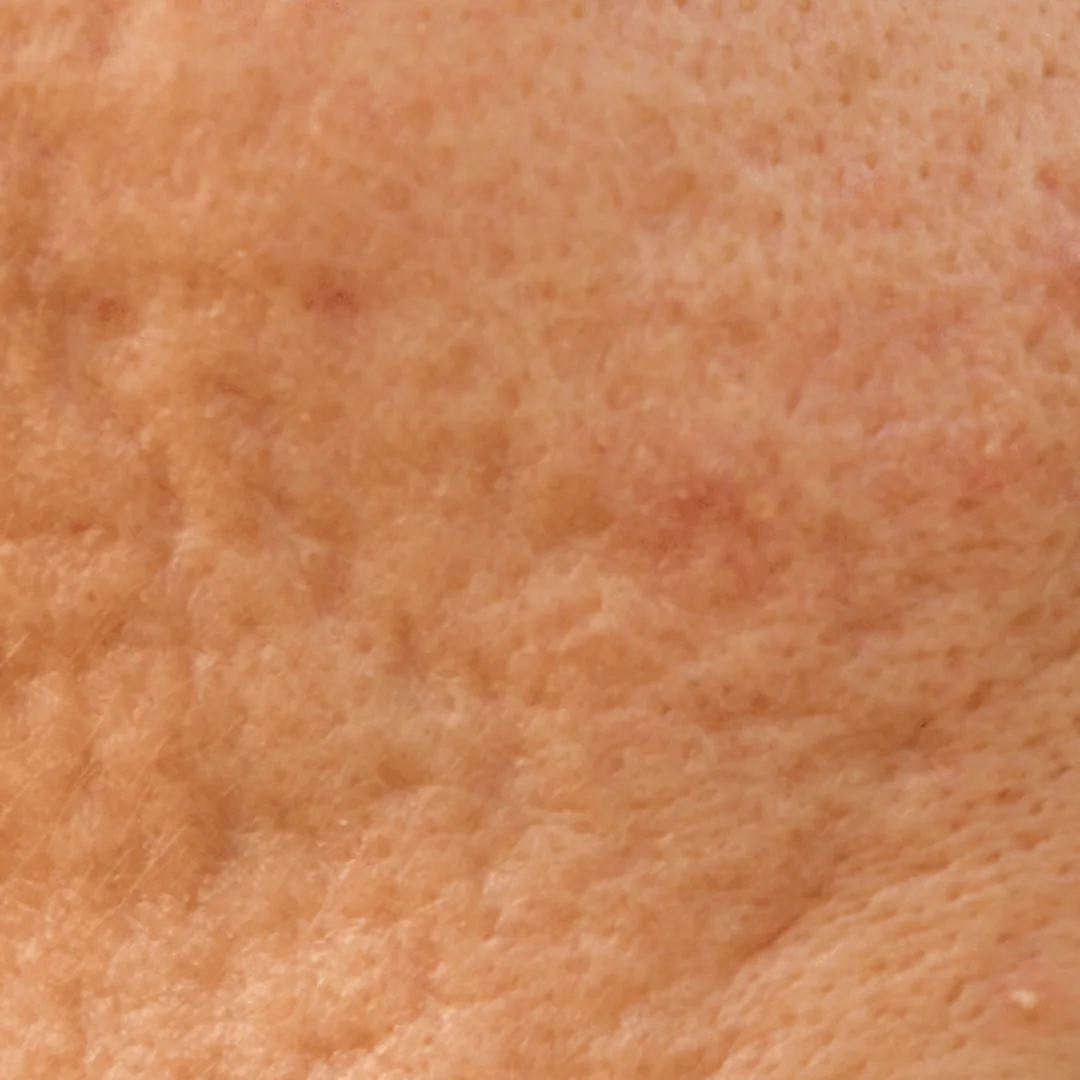
The most important predictor is time. The longer an inflammation stays active, the greater the chance of permanent damage. That is why early treatment is the best scar prevention there is.
Who is at greater risk?
Not everyone with acne gets scars. The risk is higher with deep, painful bumps under the skin, with acne that has existed for months or years, with squeezing and picking, and when scarring runs in the family. Acne on the jawline, back or shoulders also leaves marks more often.
What you can do yourself
Leave pimples alone. Squeezing pushes the inflammation deeper into the skin and increases the risk of scarring. Do not use aggressive scrubs; they damage the skin further. And protect your skin from the sun during the day, because sunlight makes discolouration after an inflammation darker and more stubborn.
Adjusting in time
Acne scars usually do not go away. That is why it matters that a treatment which has not worked well enough after 12 weeks is adjusted rather than continued indefinitely. Not sure whether your treatment is doing enough? Have it assessed.
Light or laser treatments and chemical peels are also used in Dutch practice. Whether such a treatment makes sense for you is something to discuss with your dermatologist.
When to see a dermatologist
Do you see deep, painful bumps, or do you notice pits or marks remaining where pimples used to be? Then this is the moment to have your skin assessed. A dermatologist can tell from the type of inflammation how high the risk of scarring is, and draws up a treatment plan that stops the inflammation. A dermatologist can also assess existing scars, determine what type they are and recommend the most appropriate next step.
Unsure about your skin?
Not sure whether your acne will leave scars? A dermatologist can tell from the type of inflammation. Upload your photos and you will know within 12 to 48 hours.
start a consultationFrequently asked questions
Do acne scars fade on their own?
True scars, such as pits and thickened areas, do not disappear on their own. Red or dark marks left after a pimple are not scars but pigment changes; those usually do fade.
Does squeezing pimples help?
No. Squeezing pushes the inflammation deeper into the skin, slows healing and increases the risk of scars and dark marks.
Can a dermatologist assess existing scars?
Yes. A dermatologist determines which type of scar you have and which next step makes sense. For existing scars there are treatment routes such as chemical peeling, laser treatment or microneedling, performed by a skin therapist or dermatologist. The most suitable treatment depends on the type of scar. Prevention remains easier than repair, so do not wait too long to treat active acne.
Further reading
Sources
- NVDV
- NHG Practice Guideline Acne
- Layton et al. 1994.
Last revised on 29 July 2026
Have a dermatologist take a look
Upload photos and describe your symptoms. A BIG-registered dermatologist will provide a treatment plan within 12 to 48 hours.
start a consultationSkin tips from a dermatologist?
Sign up for our newsletter.